
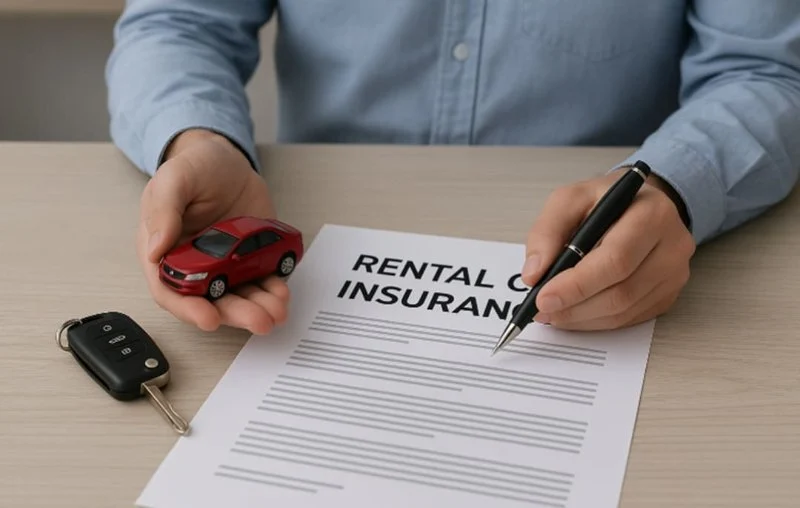
- 1. Why You Need Car Rental Insurance
- 2. Types of Rental Car Insurance Coverage
- 3. What Car Rental Insurance You Can Skip
- 4. Real-Life Case Studies: Car Rental Insurance in Action
1. Why You Need Car Rental Insurance
When renting a car, car rental insurance is one of the most important decisions you'll make. It offers protection in case of accidents, theft, or damage while you're driving a rental vehicle. Without the right coverage, you could face high out-of-pocket expenses if something goes wrong during your rental period.
While it might seem like an unnecessary expense, car rental insurance can save you a lot of money and stress. For instance, if you're involved in an accident or if the car is damaged in any way, having the proper coverage ensures that you are not personally liable for repairs or replacement costs.
Prestige Rental Cars
BolingbrookWill CountyIllinois
503 S Weber Rd Unit 218, Bolingbrook, IL 60490, USA
2. Types of Rental Car Insurance Coverage
Car rental companies offer various types of insurance coverage. Understanding what each option covers is essential to avoid overpaying for unnecessary protection. Here are the most common types of coverage you’ll encounter:

Collision Damage Waiver (CDW)
The Collision Damage Waiver is one of the most popular insurance options. It covers the costs of damage to the rental car in the event of an accident. While it may sound like traditional insurance, a CDW is technically a waiver—meaning it releases you from liability for damage to the vehicle.
However, it’s important to note that a CDW usually does not cover damage to other vehicles or property. If you're involved in an accident, this waiver covers only the rental car’s repair or replacement costs.
Liability Insurance
Liability insurance is another essential option. It covers damages you cause to other people, their property, or their vehicle while driving the rental car. In most cases, liability coverage is required by law, and rental companies typically offer a minimum amount of coverage with the rental fee.
If you're already covered by your personal auto insurance, you may not need to purchase additional liability insurance. It's important to check with your provider beforehand to ensure that your policy covers rentals.
Personal Accident Insurance (PAI)
Personal Accident Insurance provides coverage for medical expenses in the event that you or your passengers are injured in an accident while driving the rental car. This coverage can be useful if you don’t have personal health insurance or if your health insurance doesn’t cover rental car accidents.
Theft Protection
Theft protection covers the cost of the rental car if it’s stolen. Some rental companies include this in their standard coverage, but others may offer it as an add-on. Depending on your personal car insurance, you may already be covered for theft, making this an optional addition.
3. What Car Rental Insurance You Can Skip
While it’s important to have the right insurance coverage, there are some rental insurance options that you can skip depending on your circumstances:
Personal Auto Insurance
Many people are surprised to learn that their personal auto insurance covers rental cars. If your policy includes coverage for rentals, you may not need to purchase the Collision Damage Waiver (CDW) or Liability Insurance from the rental company. Before renting, check with your auto insurance provider to ensure that you're covered while driving a rental vehicle.
Credit Card Coverage
Some credit cards offer rental car insurance when you use the card to pay for the rental. This can include coverage for collision damage, theft, and sometimes even liability. Be sure to check the specifics with your credit card issuer and ensure that the rental company accepts your card’s coverage before skipping insurance options at the rental counter.
Unnecessary Add-ons
Rental companies often try to upsell additional services like personal effects coverage (covering stolen items) or roadside assistance. If you have comprehensive car insurance or access to your own roadside assistance services, these add-ons may be unnecessary. Avoid paying for services that you don’t need.
4. Real-Life Case Studies: Car Rental Insurance in Action
Understanding the practical side of rental car insurance can help you make better decisions. Here are a few real-life examples where car rental insurance played a critical role:
Case Study 1: Collision Damage Waiver in Action
John rented a car for a business trip and opted for the Collision Damage Waiver (CDW) at the rental desk. Unfortunately, he accidentally backed into a pole while parking. Thanks to the CDW, he wasn’t responsible for the damage to the car, saving him hundreds of dollars in repair costs.
Case Study 2: Liability Insurance Coverage
Sarah was driving a rental car when she accidentally rear-ended another vehicle. Her rental company’s minimum liability insurance covered the damages to the other car, and Sarah was not held financially responsible for the repair costs. Without liability coverage, she would have had to pay for the damages out of pocket.
If you're looking for a hassle-free rental experience and want to make sure you have the proper insurance coverage, visit LifeStar Car Rental for great deals and tailored options that suit your needs.






 Budget Car Rental3.0 (3292 reviews)
 JK Turbo Auto Car Rental0.0 (0 reviews)
 Go Rentals1.0 (5 reviews)
 Enterprise Rent-A-Car4.0 (411 reviews)
 Avis Car Rental3.0 (238 reviews)
 Avis Car Rental4.0 (249 reviews)
 How to Decide Whether to Rent a Car or Use Ride-Sharing Services for Short Trips
 The Role of Credit History in Renting a Car — What You Should Know
 How to Avoid 'Refueling Fees' with Rental Car Fuel Policies
 Why Airport Car Rentals Are Always More Expensive — and When They’re Worth It
 How to Avoid Overpaying for Peak Season Car Rentals by Timing Your Booking Right
 Why Booking Directly Through a Rental Company Might Save You Money