
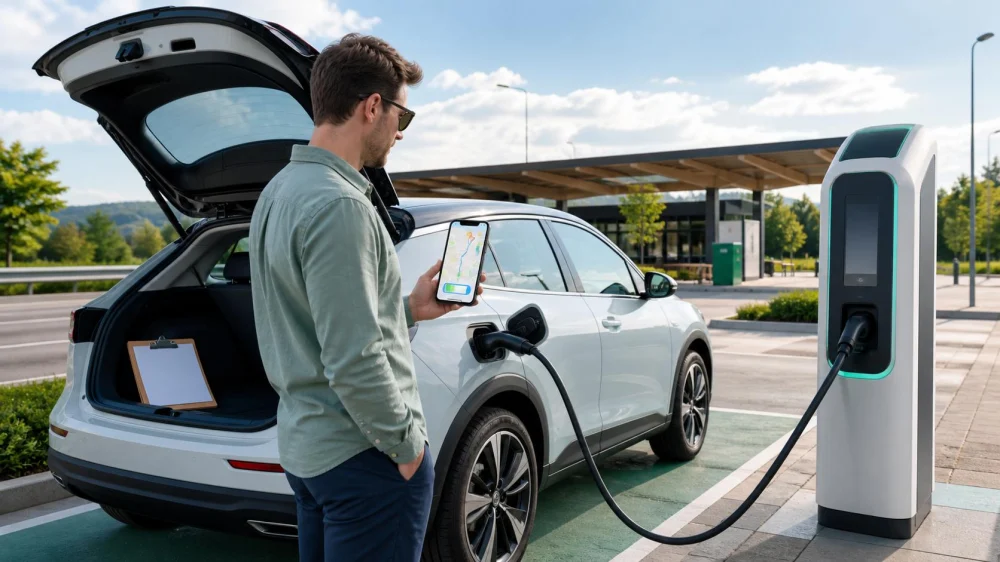
Rental EV Charging Plan: Connector, Route, Payment, and Return
Table of contents
- Quick answer
- Confirm the rental before pickup
- Learn the vehicle at pickup
- Match charging level to the stop
- Build a route with backups
- Set up payment without delay
- Charge safely and courteously
- Read range conservatively
- Plan the return charge
- Rental EV checklist
- Limitations
- Frequently asked questions
- Sources and evidence notes
- Conclusion
Quick answer
Before driving a rental EV, identify its charge port and compatible connectors, confirm whether an adapter and portable cable are included, learn the rental company's charging and return rules, and create accounts for likely charging networks. Plan each travel leg with a reserve and at least one backup station. Start the return charge early enough to meet the contract's required battery level, then photograph the dashboard and return receipt.

Confirm the rental before pickup
An “electric vehicle” reservation may guarantee a category rather than a specific model. Ask whether the vehicle is battery-electric or plug-in hybrid, its approximate usable range, compatible DC fast-charge connector, included adapters, and whether the provider supplies a portable cable. Confirm mileage limits, roadside assistance, charging fees, and the battery percentage required at return.
Compare total price, not only the daily rate. Public charging, idle fees, parking charges, network memberships, tolls, and a low-charge return fee can change the trip cost. Save the contract and provider support number offline. Do not assume a personal roadside plan or credit-card benefit covers an EV charging incident; verify scope first.
Learn the vehicle at pickup
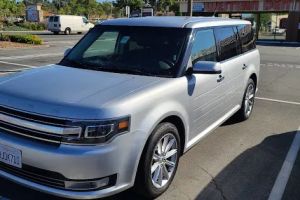
At pickup, photograph the charge port, cables, adapters, dashboard battery percentage, estimated range, odometer, and existing damage. Ask an employee to demonstrate how to open the port, start and stop a charge, release a locked connector, and locate the vehicle's charging screen. Confirm every accessory listed on the agreement is present.
Set the navigation destination and charging preferences while parked. Learn how to show battery percentage rather than relying only on estimated miles. Identify the rental provider's roadside process and any instructions for towing; an EV may require a specific tow method. Never improvise with an extension cord or unapproved adapter.
Match charging level to the stop
Level 1 uses a 120-volt outlet and is slow; the U.S. Department of Energy notes roughly 2–5 miles of range per charging hour in typical conditions. Level 2 is useful during longer stops such as hotels, workplaces, or attractions and may add roughly 10–30 miles per hour. Actual results vary.
DC fast charging is designed for road-trip stops and can add substantial range in tens of minutes, but the vehicle and station must share a compatible connector and communication path. Maximum advertising is not a promise: charge rate depends on battery temperature, state of charge, vehicle limits, station power, and shared equipment. Many EVs slow charging as the battery becomes fuller.
Build a route with backups
Plan around the actual assigned vehicle after pickup. Use the car's navigation and at least one current station source. Check connector compatibility, power level, access hours, recent status, number of plugs, parking restrictions, and whether the site is behind a hotel, garage, dealership, or gate.
Do not make the last compatible charger the only plan. Save a backup near every critical stop and keep enough reserve to reach it. Mountain climbs, high speed, headwinds, extreme heat or cold, cabin conditioning, and heavy loads can reduce range. Remote routes need larger margins than dense urban travel.
Set up payment without delay
Some chargers accept a contactless card; others use an app, QR workflow, or network account. Install likely apps and add payment while on reliable Wi-Fi, but inspect QR codes carefully because fraudulent stickers can cover legitimate ones. Prefer the official app or station screen and verify the network name and stall number.
Read pricing before connecting. Billing may be based on energy, time, session, or a combination, and parking or idle fees may continue after charging ends. Keep digital receipts. If a charger places a temporary authorization hold, leave enough available credit for later stops.
Charge safely and courteously
Park within the marked space without stretching the cable across a walkway. Inspect the connector for obvious damage and follow on-screen instructions. Confirm the vehicle shows active charging before leaving. Do not force a connector, use a damaged cable, open equipment, or attempt repairs.
Move the car promptly when the session ends, especially where idle fees apply. Keep accessible stalls available for drivers who need their features. In severe weather or a poorly lit location, remain aware of surroundings and choose a safer station. Call the network or rental provider for persistent faults.
Read range conservatively
The dashboard range is an estimate based on conditions and recent driving. Watch battery percentage and energy use across the route. A declining estimate is not automatically a defect; speed, grade, temperature, rain, wind, and HVAC load may explain it. Slow safely, reduce unnecessary loads, and navigate to a compatible station early if the margin shrinks.
Do not run the battery toward zero to “test” the estimate. If the vehicle warns that charging is urgent, follow its navigation guidance and contact the provider before becoming stranded. Roadside energy delivery is not universally available.
Plan the return charge
Read the exact return clause: companies may require the original charge level, a stated minimum percentage, or a prepaid option. Check whether the return site has chargers and whether they are available to customers; do not assume a charger icon means you may arrive nearly empty.
Choose a final charging stop with time for a queue or failed stall. After charging, save the receipt and photograph the battery percentage and mileage at return. Ask for a closed rental receipt and review later charges. If the provider changes instructions, obtain the update in writing.
Rental EV checklist
- Confirm vehicle type, connector, adapters, cable, range, and return level.
- Photograph pickup charge, mileage, accessories, port, and damage.
- Learn start, stop, release, navigation, and roadside procedures.
- Plan compatible primary and backup chargers.
- Set up official payment methods and review fees.
- Keep a reserve for weather, terrain, queues, and station failure.
- Charge early for return and document the final percentage.
Limitations
Networks, connectors, vehicle software, prices, station access, and rental terms change. Charging estimates are broad and cannot predict a specific car or trip. The rental agreement, vehicle manual, station instructions, and current provider guidance control. Do not use this guide to override a warning, damaged-equipment notice, emergency instruction, or contract term.
Frequently asked questions
Can every EV use every fast charger?
No. Connector compatibility, adapters, vehicle authorization, and network access vary. Confirm the assigned vehicle and station before routing there.
Why did charging slow near the end?
Many vehicles reduce power at higher battery levels. Temperature, station load, and vehicle limits can also reduce speed.
Should I return the EV at 100 percent?
Only if the contract requires it. Follow the stated return percentage or pickup level and document compliance.
What if a station does not start?
Check the vehicle and screen messages, try another compatible stall if safe, call the network, and use the backup plan. Contact the rental provider if range is becoming critical.
Sources and evidence notes
Charging types, connectors, and broad charging-rate ranges follow the U.S. Department of Energy Alternative Fuels Data Center's consumer EV guidance and charging-station overview. Contract and fee reminders align with the Federal Trade Commission's rental-car guidance. Current vehicle, station, and contract details remain controlling. Accessed August 10, 2026.
Conclusion
A rental EV trip is manageable when charging is part of the itinerary rather than an afterthought. Match the connector, prepare payment, keep backup stations and range reserve, and begin the return charge early. Clear documentation at pickup and return protects both the journey and the final bill.




 Greenleaf Rent A Car4.0 (110 reviews)
 Golden Age Ambulette Inc3.0 (36 reviews)
 Enterprise Rent-A-Car4.0 (215 reviews)
 Exotic Car Collection by Enterprise4.0 (14 reviews)
 Enterprise Rent-A-Car4.0 (166 reviews)
 Thrifty Car Rental - Burbank - Bob Hope Airport2.0 (118 reviews)
 Car Rental Policies for Hurricane Season Travel in Florida: What You Need to Know
 How to Use Comparison Tools to Pick the Best Rental Car Rate Without Sacrificing Quality - LifeStar Car Rental
 Best Advice From Experienced Travelers About Renting Cars in the U.S.
 Renting a Car in the US With a German License
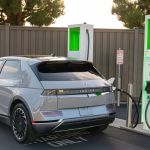 Renting Electric Cars in the U.S.: Charging, Range, and Cost Insights | LifeStar Car Rental
 When It Makes Sense to Upgrade Your Rental Car — And When It Doesn’t