
- 1 - What You Should Do Immediately
- 2 - Are You Responsible for the Flat Tire?
- 3 - Checking Your Rental Contract
- 4 - Handling the Situation Properly
- 5 - Preventing Flat Tires While Renting
1 - What You Should Do Immediately
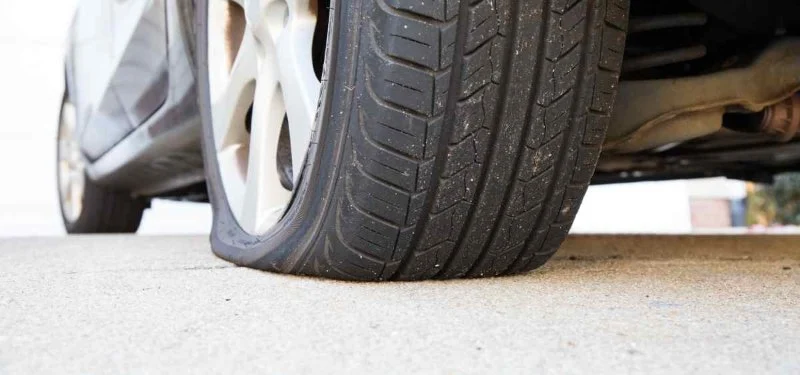
Getting a flat tire in a rental car can be an inconvenience, but knowing what steps to take immediately can make the situation much easier to handle. The first thing you should do is pull over to a safe location away from traffic. Turn on your hazard lights to alert other drivers that you're experiencing an issue.
Once you're safely off the road, inspect the tire to determine the extent of the damage. If the tire is completely flat, check your rental contract to see if you're required to replace the tire yourself or if the rental company provides roadside assistance. If you’re unsure, calling the rental company’s emergency line for guidance is always a good move.

2 - Are You Responsible for the Flat Tire?
One of the most important questions when you get a flat tire in a rental car is whether you’re financially responsible for the damage. In many cases, rental companies provide a tire repair policy that covers incidents like flat tires, but there are exceptions.
If you have purchased an optional insurance policy or tire and wheel protection from the rental company, it may cover the cost of repairs or replacements. Without this coverage, however, you may be held responsible for the cost of fixing the flat tire or replacing it, depending on the situation. This is where checking your rental contract comes into play.

Oscar Car Rental River Falls
River FallsSt. Croix CountyWisconsin
657 N Main St, River Falls, WI 54022, USA
3 - Checking Your Rental Contract
Your rental contract should outline your responsibilities when it comes to vehicle damage, including flat tires. In general, most rental companies will not hold you responsible for a flat tire caused by a defect or normal wear and tear, but they might charge you if the tire is damaged due to negligence, like running over a nail or driving over rough terrain without caution.
Some contracts include a clause that requires you to return the vehicle with all tires in good condition. Be sure to read the fine print about tire care and damage to fully understand your obligations and whether or not you’re covered. If you’re unsure, it’s always a good idea to ask the rental agency before your trip to avoid unexpected charges.
4 - Handling the Situation Properly
If the flat tire is covered by your rental agreement or insurance, the next step is to contact the rental company for further instructions. Most major rental agencies provide 24/7 roadside assistance, and they may send a technician to replace the tire or offer you a replacement vehicle if necessary. In some cases, they may even reimburse you for any repairs you handle independently, but this typically requires prior approval.
On the other hand, if the tire damage is not covered by your rental agreement, you may be responsible for paying for the repair or replacement. In this case, it’s important to keep all receipts and documentation for any work done to the car, as you will need to provide this to the rental agency when returning the car. Failure to do so may lead to additional charges or disputes.
5 - Preventing Flat Tires While Renting
While flat tires are sometimes unavoidable, there are steps you can take to reduce the likelihood of dealing with one during your rental. One simple step is to check the tire pressure before you begin your trip. Most rental companies provide cars with properly inflated tires, but it’s always good practice to ensure they are at the recommended pressure. You can also ask the rental agency if they offer any additional protection or tire care services to help avoid issues during your rental period.
Additionally, be mindful of where you’re driving. Avoiding rough terrain, potholes, and debris on the road can significantly reduce the chances of damaging the tires. If you're driving in areas where flat tires are more common, such as construction zones or rural roads, it's best to exercise extra caution and reduce your speed.
For extra peace of mind, consider renting a car from companies like LifeStar Car Rental, which offers comprehensive protection plans that include tire and wheel coverage. This can help you feel more confident during your trip, knowing that you won’t face unexpected costs if you encounter a flat tire.






 Medlife Ambulette0.0 (0 reviews)
 E M AUTO RENTAL LLC0.0 (0 reviews)
 EK Luxury Rental Car5.0 (15 reviews)
 Daniel car rentals5.0 (16 reviews)
 Exotic Car Collection by Enterprise3.0 (28 reviews)
 FLIPCARS RENTAL5.0 (15 reviews)
 The Rise of Subscription-Style Car Rentals: What You Should Know
 Best Budget Cars to Rent for City Exploration in the U.S.
 Family Road Trip Rental Cars: Essential Features and Common Pitfalls
 How to Get the Best Deal When Renting a Car for a Road Trip During Fall Foliage Season
 Tips for Veteran Drivers Renting Cars After Military Service
 The Top 10 Questions Travelers Ask About Car Rentals in 2025