

Practical Strategies to Avoid Being Charged for a Second Full Tank of Gas When Returning a Rental Car
- 1 - Understanding Rental Fuel Policies - Key Rules to Know
- 2 - Refueling Before Return - Timing and Best Practices
- 3 - Checking Fuel Level Accurately - Tools and Techniques
- 4 - Keeping Receipts and Documentation - Protect Yourself from Disputes
- 5 - Common Mistakes to Avoid - Learn from Real Scenarios
- 6 - Using Apps and GPS Tools - Track Fuel and Avoid Surprises
- 7 - Final Inspection Strategies - Handling Staff Interactions Smoothly
1. Understanding Rental Fuel Policies - Key Rules to Know
Rental companies often have varying fuel policies, and understanding them is critical to avoid unexpected charges. Most fall into three categories:

At Your Service Transportation LLC
RochesterMonroe CountyNew York
104 Frankfort St Suite 7, Rochester, NY 14608, USA
1.1 Full-to-Full Policy
This policy requires the renter to return the vehicle with the fuel tank filled to the same level as at pickup. If you return it with less, the rental company will charge for the missing fuel, often at inflated prices.

USA Rent a Car (Weekly Car Rentals)
Los AngelesLos Angeles CountyCalifornia
1722 Westwood Blvd Suite 200, Los Angeles, CA 90024, USA
1.2 Pre-Purchase Fuel
Some agencies allow you to pre-purchase a full tank. While convenient, it can result in overpayment if you return the car with fuel still remaining.
1.3 Pay-on-Return Fuel Charges
With this option, you pay only for the fuel you used, but rates are typically higher than local gas stations. Understanding which option your rental falls under helps you plan ahead.
2. Refueling Before Return - Timing and Best Practices
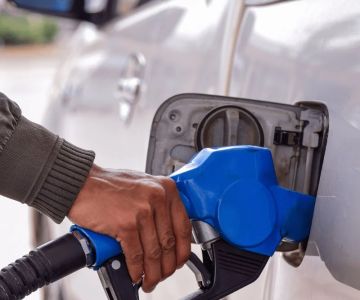
Refueling just before returning the car is one of the most effective ways to avoid extra charges. Timing is critical.
2.1 Know the Nearest Gas Stations
Plan ahead and locate stations near the rental drop-off. Using navigation apps can help ensure you don’t overfill or miscalculate distances.
2.2 Fill Up to the Same Level
Pay attention to the fuel gauge and fill the tank to match the level at pickup. Small discrepancies can lead to additional charges, so estimate conservatively.
2.3 Avoid Overfilling
Overfilling can cause spillage, which may be seen as negligence. Stop at the automatic click of the pump nozzle to prevent waste.
3. Checking Fuel Level Accurately - Tools and Techniques
Accurate fuel measurement can prevent disputes during the return inspection.
3.1 Use the Fuel Gauge Wisely
Check the gauge when the car is parked on a level surface. Inconsistent readings can occur on inclines or with rapid acceleration.
3.2 Take Photos
Document the fuel level before returning the car. Photos provide evidence in case of billing disputes.
3.3 Note Environmental Factors
Temperature and vehicle inclination can affect fuel readings slightly. Being aware of these can help you adjust your refueling strategy accurately.
4. Keeping Receipts and Documentation - Protect Yourself from Disputes
Proper record-keeping is essential for accountability and peace of mind.
4.1 Save All Gas Receipts
Receipts prove the fuel purchase and can justify the level of fuel returned. Keep them until your final rental invoice is reconciled.
4.2 Note Odometer and Fuel Level
Document your mileage and fuel gauge reading at pickup and return. This detailed record helps prevent misunderstandings with rental staff.
4.3 Communicate with Rental Staff
If you notice any discrepancies during the return process, politely show your records and receipts. Most staff will honor documented evidence.
5. Common Mistakes to Avoid - Learn from Real Scenarios
Understanding mistakes others have made can help you avoid costly errors.
5.1 Ignoring Fuel Policies
One renter returned a car with a quarter tank left, assuming it wouldn’t matter. The rental charged them for a full tank at double local gas prices. Lesson: always check the rental policy.
5.2 Late Refueling
Another renter rushed to return the vehicle but couldn’t find a nearby station. They ended up paying extra for the agency’s fuel service. Planning stops in advance avoids this issue.
5.3 Overreliance on App Estimates
Some renters relied solely on fuel apps without checking the gauge. Minor inaccuracies caused discrepancies that led to disputes. Always cross-check physical readings.
6. Using Apps and GPS Tools - Track Fuel and Avoid Surprises
Technology can make fuel management easier and reduce human error.
6.1 Gas Price Apps
Apps can help locate the cheapest fuel stations near your route, saving both time and money while ensuring you return the car full.
6.2 Navigation and Route Planning
GPS tools allow you to plan your refueling stops and avoid last-minute detours that may force you to pay higher fuel rates.
6.3 Mileage Trackers
Keeping digital logs of fuel usage and mileage helps you predict the amount needed before returning the vehicle accurately.
7. Final Inspection Strategies - Handling Staff Interactions Smoothly
Handling the final inspection correctly can prevent last-minute charges.
7.1 Be Present During Fuel Check
Stay with the vehicle while staff inspect the fuel level. Immediate clarification can prevent misunderstandings.
7.2 Show Documentation Proactively
Present your photos, receipts, and notes politely. Rental agencies are more likely to honor your evidence when it is clearly organized.
7.3 Ask Questions About Policies
If any confusion arises about fuel levels or charges, ask for clarification before leaving the premises. This ensures you leave with no hidden fees.
By following these strategies, renters can confidently return vehicles without overpaying for fuel. For further tips and reliable rental services, LifeStar Car Rental offers guidance, convenient rental options, and tools to help you avoid unnecessary charges.




 R&S Transportation Services5.0 (18 reviews)
 Avis Car Rental3.0 (35 reviews)
 TAB Rent a Car2.0 (7 reviews)
 Easy Med Transportation LLC4.0 (7 reviews)
 Enterprise Rent-A-Car4.0 (221 reviews)
 Enterprise Rent-A-Car4.0 (318 reviews)
 How to Rent a Car for a Weekend Trip to Las Vegas Strip
 How to Avoid the Costly Mistake of Not Reading the Rental Car Fuel Policy Before Driving Off
 Best Rental Cars for Exploring the South Dakota Badlands
 Why Renting a Hybrid Car Can Save You More Than You Expect
 What to Expect When Renting a Car for an Out-of-Town Wedding
 Best Advice for Senior Travelers Renting Cars in America - LifeStar Car Rental