
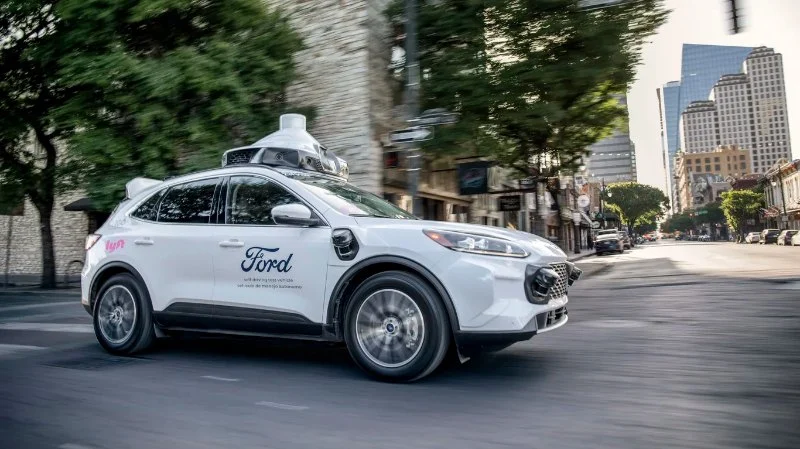
The Future of Car Rentals: Autonomous Cars, EV Fleets & What It Means for You
- 1. The Impact of Autonomous Cars on the Car Rental Industry
- 2. The Rise of EV Fleets in Car Rentals
- 3. How Autonomous Cars Will Change Your Car Rental Experience
- 4. Challenges Facing Car Rental Companies in the Age of Innovation
- 5. How to Prepare for the Future of Car Rentals
1. The Impact of Autonomous Cars on the Car Rental Industry
Autonomous vehicles (AVs) are no longer just a futuristic concept—they are becoming a reality, and their impact on the car rental industry is expected to be significant. Car rental companies are already looking ahead to the day when self-driving cars become mainstream. These vehicles promise to reshape how we think about car rentals, potentially reducing the need for human drivers and creating more flexible rental options.
For consumers, the introduction of autonomous cars means greater convenience and flexibility. With self-driving vehicles, you may be able to rent a car without the hassle of dealing with a traditional car rental process, such as waiting for a representative or even having to drive the car yourself. Instead, you could simply book an autonomous vehicle that takes you where you need to go—allowing you to relax or be productive during the ride.

2. The Rise of EV Fleets in Car Rentals
Electric vehicles (EVs) are also becoming a major player in the car rental market. With growing concerns about climate change and the environmental impact of traditional gasoline-powered cars, rental companies are increasingly investing in EV fleets. Not only do EVs offer an eco-friendly alternative to conventional cars, but they also appeal to a growing consumer base that values sustainability and wants to reduce their carbon footprint.
In addition to their environmental benefits, EVs are also expected to offer a smoother, quieter, and more enjoyable driving experience. As charging infrastructure continues to expand and improve, renting an EV is becoming more practical and convenient than ever before. Major car rental companies are already offering EVs as part of their fleets, and this trend is expected to grow significantly in the coming years.

3. How Autonomous Cars Will Change Your Car Rental Experience
The integration of autonomous vehicles into the car rental market will drastically change how customers interact with rental companies. Here’s what you can expect:
1. More Convenience and Less Hassle
With autonomous cars, the entire process of renting a vehicle could become much more seamless. You might no longer need to visit a rental location, wait in line, or deal with paperwork. Instead, you could use an app or a website to book an autonomous car, which would then arrive at your location, ready for you to hop in and be driven to your destination.
2. Flexible Rental Periods
Autonomous vehicles could allow for more flexible rental periods. Instead of renting a car by the day or hour, you might be able to rent a self-driving vehicle for just the time you need it—whether that’s an hour for a quick errand or several days for a road trip. This shift would appeal to consumers looking for more convenience and fewer constraints.
3. Reduced Costs
As autonomous technology matures and becomes more widespread, the cost of self-driving vehicles is likely to decrease. Over time, this could result in cheaper car rental rates for consumers. With autonomous vehicles reducing the need for a human driver, rental companies could potentially lower prices, making car rentals more affordable for a wider range of customers.
4. Challenges Facing Car Rental Companies in the Age of Innovation
While the future of car rentals looks exciting, there are still several challenges that rental companies will need to address before autonomous cars and EVs become mainstream. These include:
1. Regulatory and Legal Issues
One of the biggest hurdles for the widespread adoption of autonomous cars is the legal and regulatory landscape. Governments will need to develop new rules and guidelines to ensure the safe operation of self-driving cars. Car rental companies will need to navigate these evolving regulations, which could slow down the introduction of autonomous fleets.
2. Infrastructure Development
While electric vehicle charging stations are expanding, there’s still a need for greater infrastructure to support widespread adoption. For autonomous cars, the infrastructure challenge is even more complex, as it requires advanced systems for vehicles to communicate with each other and with the road environment. Car rental companies will need to partner with governments and other stakeholders to help build out this necessary infrastructure.
3. Consumer Trust
As much as people are excited about autonomous vehicles, there are still concerns about their safety and reliability. Building consumer trust will be key to the success of autonomous cars in the rental market. It will take time for customers to feel comfortable with self-driving vehicles, especially when they are entrusting their safety to a car without a human driver at the wheel.
5. How to Prepare for the Future of Car Rentals
As the car rental industry continues to evolve, there are several ways you can prepare for the future:
1. Stay Informed About Technological Advancements
Keep an eye on advancements in autonomous vehicles and electric cars. As these technologies continue to improve, it’s essential to stay informed about when they will be available for use in car rentals. Follow news, read industry reports, and stay updated on innovations that may impact the way you rent cars.
2. Consider Your Transportation Needs
As car rental options evolve, consider how these changes will align with your own transportation needs. If you’re someone who frequently rents cars for business or leisure trips, you might want to start looking into rental companies that offer EVs or autonomous cars. These options may offer greater convenience and affordability in the near future.
3. Explore New Car Rental Services
With the growth of ride-sharing and subscription services, car rentals will look very different in the coming years. Consider exploring these alternative options, such as car subscription services, which allow you to pay a flat fee to drive a car for a certain period of time without the long-term commitment. These services may also offer access to electric and autonomous vehicles.
For more information on the latest trends in car rentals, the rise of autonomous vehicles, and EV fleet options, visit LifeStar Car Rental for expert recommendations and to find the best rental options to suit your needs.






 Safer Medical Transport4.0 (22 reviews)
 Enterprise Rent-A-Car4.0 (919 reviews)
 Car Rental Pro0.0 (0 reviews)
 Action Ambulette Inc3.0 (19 reviews)
 Enterprise Rent-A-Car3.0 (369 reviews)
 TMMT RENTALS5.0 (22 reviews)
 Best Advice From Experienced Travelers About Renting Cars in the U.S.
 Understanding the Fine Print of Rental Car Contracts: A Simple Guide
 How to Choose the Best Rental Car Company That Covers Toll Payments & Extra Driver Fees
 Best Car Rental Companies for Business Travelers in 2025
 The Real Story Behind “No Deposit” Car Rental Deals
 Why Saving Your Rental Car Inspection Photos is Crucial for a Hassle-Free Experience