
- planning-basics-alaska-rental-road-trip-choosing-right-vehicle-understanding-terrain
- weather-driving-challenges-snow-ice-gravel-roads-and-seasonal-considerations
- wildlife-road-safety-encounters-bears-moose-and-preventive-driving-techniques
- rental-car-policies-insurance-coverage-and-unlimited-mileage-considerations
- real-travel-case-experience-lessons-learned-from-a-fairbanks-to-denali-drive
- expert-tips-preparation-checklist-navigation-fuel-stops-and-emergency-planning
Planning a Rental Car Adventure Across Alaska’s Vast Landscapes
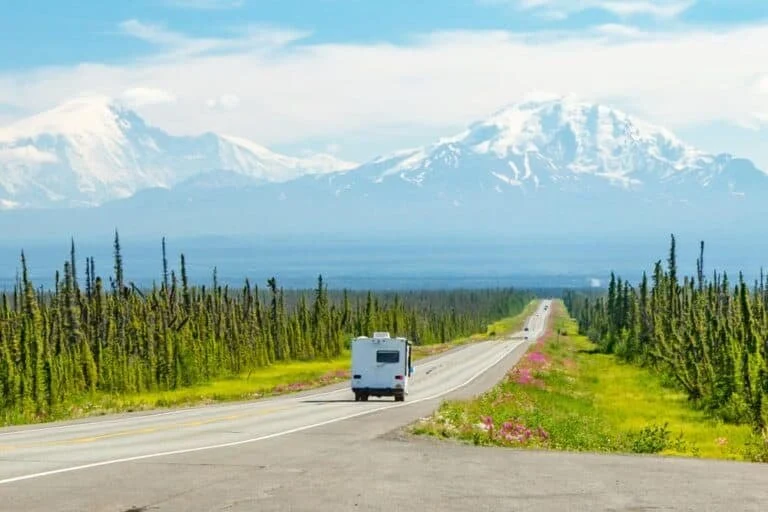
Renting a car for an Alaskan road trip is not just a transportation decision—it is the foundation of the entire journey. Unlike typical highway travel in the continental United States, Alaska introduces an entirely different driving reality. Distances are longer, services are sparse, and natural conditions change rapidly even within a single day of travel.
When travelers begin researching renting a car in Alaska, they often imagine scenic highways and endless wilderness views—and they are right. But what many underestimate is how critical vehicle selection becomes. A compact car that works perfectly in cities like Seattle or Denver may become a liability on gravel roads or icy mountain passes in Alaska.
For example, a couple from California once planned a summer road trip from Anchorage to Denali using a small economy rental. Within hours of leaving the city, they realized that loose gravel roads and sudden rainstorms made handling difficult. They later switched to a midsize SUV, which completely transformed their driving confidence. This kind of adjustment is common in Alaska travel planning and highlights why preparation matters.
Companies like LifeStar Car Rental often emphasize matching travelers with vehicles designed for unpredictable terrain. In Alaska, this typically means SUVs with all-wheel drive, higher ground clearance, and strong heating systems.

Understanding Alaska’s Unique Driving Conditions and Terrain Challenges
Driving in Alaska is shaped by geography as much as it is by weather. Roads often connect remote towns separated by hundreds of miles of wilderness. Even major routes like the Parks Highway or Seward Highway can transition quickly from smooth pavement to gravel sections.
One of the most important aspects of an Alaska road trip rental guide is understanding that road maintenance varies depending on season and location. In summer, construction zones are common, while in winter, ice and snow dominate nearly every route outside major cities.

Seasonal Road Behavior and Surface Changes
Summer driving often feels deceptively easy at first glance. However, thawing permafrost can cause uneven surfaces and potholes that appear suddenly. Gravel dust also reduces visibility, especially when large trucks pass.
Winter, on the other hand, transforms roads into icy corridors where traction becomes the primary concern. Even experienced drivers from northern U.S. states often underestimate how quickly black ice forms in shaded areas.
Long-Distance Isolation Between Stops
Another unique challenge is distance between services. Gas stations, repair shops, and restaurants may be spaced 100 miles or more apart. Running low on fuel is not just inconvenient—it can become dangerous during harsh weather conditions.
This isolation requires drivers to plan fuel stops carefully and never assume another service point is “just around the corner.”
Wildlife Encounters and Road Safety Awareness in Alaska
One of the most unforgettable aspects of driving in Alaska is wildlife visibility. Moose, bears, caribou, and even foxes frequently cross or linger near roadways. This creates both a beautiful and potentially hazardous driving environment.
A well-documented incident near the Denali Highway involved a rental SUV stopping abruptly due to a moose crossing at dusk. The driver avoided collision only because of reduced speed and early reaction time. This kind of situation is common enough that local authorities actively warn visitors to remain alert at all times.
Understanding Animal Movement Patterns
Moose are especially active during early morning and evening hours. Bears tend to appear near roads during salmon season when food sources are abundant. Drivers unfamiliar with these patterns may be caught off guard.
Safe Driving Techniques in Wildlife Zones
Reducing speed in marked wildlife corridors is essential. High beams should be used when appropriate, and sudden swerving should be avoided, as it may cause loss of control on gravel or icy surfaces.
Rental providers such as LifeStar Car Rental often provide briefings or guidelines to help travelers understand wildlife-related risks before beginning their journey.
Insurance, Rental Policies, and Hidden Considerations
Many travelers focus on vehicle type but overlook rental agreements and insurance coverage. In Alaska, this becomes especially important due to unpredictable road conditions.
Coverage for Gravel and Remote Road Damage
Not all insurance plans automatically cover tire damage, windshield cracks from gravel, or undercarriage issues. These are more common in Alaska than in urban driving environments, making extended coverage highly recommended.
Unlimited Mileage and Cross-Region Travel
Because destinations are spread far apart, unlimited mileage policies are often essential. A single trip from Anchorage to Fairbanks and back can exceed 800 miles without side excursions.
Understanding Deposit and Fuel Policies
Some companies require higher deposits for Alaska rentals due to increased wear risks. Fuel policies also vary, and returning a vehicle with a full tank is often required to avoid additional charges.
A Real Travel Story: Anchorage to Denali Road Experience
One traveler shared an experience driving from Anchorage to Denali National Park during late spring. At first, the journey seemed straightforward—clear skies, open roads, and scenic mountain views. However, halfway through the trip, sudden snowfall reduced visibility dramatically.
Fortunately, the rented SUV was equipped with all-wheel drive and winter tires, which provided stability even as conditions worsened. The driver later reflected that choosing a proper vehicle made the difference between stress and confidence.
This story highlights a key takeaway: in Alaska, weather changes are not gradual—they can happen within minutes. Being prepared is not optional; it is essential for safety.
Preparing for an Alaskan Road Trip Like a Local Driver
Successful travel in Alaska depends on preparation rather than reaction. Local drivers develop habits that visitors can adopt to improve safety and comfort.
Navigation and Communication Planning
Cell service can be unreliable in remote areas. Downloading offline maps is strongly recommended, and travelers should never rely solely on real-time GPS updates.
Emergency Supplies and Vehicle Readiness
Carrying basic emergency kits, warm clothing, and extra water is common practice among locals. Even in summer, temperatures can drop unexpectedly in higher elevations.
Fuel Strategy and Route Awareness
Planning fuel stops ahead of time helps avoid unnecessary risks. In some regions, stations may close early or operate seasonally.
For travelers looking for reliable vehicle options suited for these conditions, LifeStar Car Rental provides access to SUVs and all-wheel-drive models designed specifically for long-distance and rugged terrain travel.
Driving Mindset and Practical Safety Awareness
Perhaps the most important aspect of Alaska driving conditions is mindset. Driving in Alaska is not about speed—it is about awareness, patience, and adaptability.
Many experienced travelers note that slowing down improves not only safety but also the overall enjoyment of the journey. Wildlife sightings become more noticeable, landscapes more immersive, and stress levels significantly reduced.
Respecting road conditions, understanding weather patterns, and choosing the right rental vehicle all work together to create a safe and memorable experience across one of the most breathtaking driving destinations in the world.






 Avis Car Rental3.0 (199 reviews)
 Thrifty Car Rental - Cranberry Hwy Orleans Ma Thrifty4.0 (30 reviews)
 Alamo Rent A Car4.0 (639 reviews)
 Budget Car Rental4.0 (237 reviews)
 Budget Car Rental3.0 (82 reviews)
 Gotham Dream Cars4.0 (205 reviews)
 Why You Should Always Review Your Receipt Before Leaving the Lot
 Why You Should Compare Fuel Policies Before Booking a Rental Car
 How to Choose a Rental Car Company That Offers Free Drop-Off at the Airport
 A Complete Guide to Renting a Car for a Father’s Day Weekend Fishing Trip With Gear
 How to Choose an EV Rental Car for U.S. Trips: Key Considerations for a Smooth Journey
 How to Avoid Drop-Off Fees on One-Way Rentals