
- #choosing-the-right-rental-car-for-national-parks
- #best-vehicle-types-for-different-park-terrains
- #comfort-and-safety-features-for-long-road-trips
- #cost-and-fuel-efficiency-considerations
- #real-road-trip-experience-across-national-parks
- #how-to-plan-your-national-park-rental-strategy
Choosing the Right Rental Car for National Park Adventures
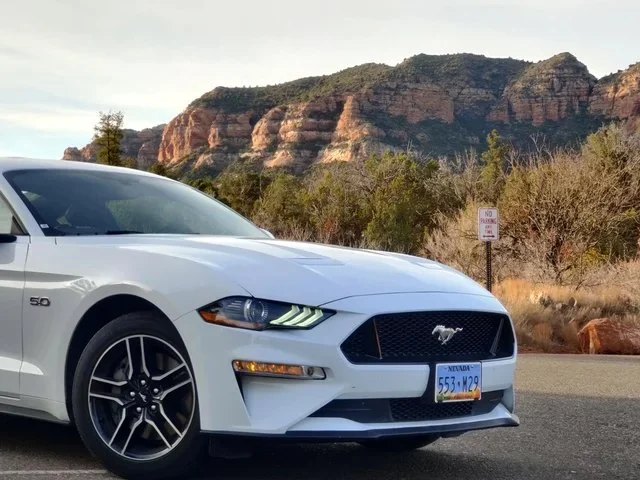
Planning a national park road trip across the United States is an unforgettable experience, but selecting the best rental cars for national park road trips in America can make or break your journey. The diversity of terrain—from smooth highways to rugged scenic routes—requires thoughtful decision-making.

1. Understanding Your Travel Needs
1.1 Trip Duration and Distance
Long-distance trips demand vehicles that offer comfort, fuel efficiency, and reliability. A weekend getaway may not require the same features as a cross-country adventure.

Enterprise Rent-A-Car
SouthamptonSuffolk CountyNew York
395 County Rd 39A Ste 9, Southampton, NY 11968, USA
1.2 Passenger and Storage Requirements
Families or groups need extra seating and cargo space for gear like camping equipment, coolers, and backpacks.
2. Matching the Vehicle to the Destination
2.1 Mountain vs Desert Parks
Driving through Yellowstone or the Rocky Mountains differs significantly from exploring desert parks like Joshua Tree or Arches.
2.2 Road Conditions Matter
While many national parks have paved roads, some scenic areas include gravel or dirt sections that influence your vehicle choice.
Best Vehicle Types for Different National Park Terrains
1. SUVs for Versatility
1.1 Ideal for Mixed Terrain
SUVs are widely considered the best rental cars for national park road trips in America because they balance comfort with capability.
1.2 Higher Ground Clearance
This helps when navigating uneven or slightly rugged roads.
2. Sedans for Highway-Focused Trips
2.1 Fuel Efficiency Advantages
If your route stays mostly on paved roads, a sedan can save money on fuel.
2.2 Limited Off-Road Capability
Sedans are not ideal for rough terrain or remote access points.
3. 4WD and AWD Vehicles for Remote Exploration
3.1 Enhanced Traction
All-wheel drive systems provide better stability on gravel, mud, or steep inclines.
3.2 Recommended for Certain Parks
Places like Glacier National Park or parts of Utah’s canyon country benefit from more capable vehicles.
To simplify the process, LifeStar Car Rental offers a range of vehicle options tailored for road trips, helping travelers match the right car to their destination and travel style.
Comfort and Safety Features That Make a Difference
1. Interior Comfort for Long Drives
1.1 Seat Ergonomics
Supportive seating reduces fatigue during long hours behind the wheel.
1.2 Climate Control Systems
Essential for maintaining comfort across varying climates, from desert heat to mountain chill.
2. Advanced Safety Technologies
2.1 Driver Assistance Features
Lane-keeping assist, adaptive cruise control, and blind-spot monitoring improve safety.
2.2 Emergency Preparedness
Reliable braking systems and good visibility are critical in unfamiliar environments.
3. Storage and Accessibility
3.1 Cargo Space
Sufficient storage ensures that your gear is organized and accessible.
3.2 Roof Racks and Expandability
Useful for carrying additional equipment like bikes or kayaks.
Balancing Cost and Fuel Efficiency for Your Trip
1. Fuel Economy Matters More Than You Think
1.1 Long-Distance Savings
Even small differences in fuel efficiency can add up over hundreds or thousands of miles.
1.2 Hybrid Options
Hybrid vehicles are becoming increasingly popular for eco-conscious travelers.
2. Rental Pricing Factors
2.1 Seasonal Demand
National park travel peaks during summer, which can increase rental costs.
2.2 Insurance and Add-Ons
Consider coverage options carefully to avoid unexpected expenses.
A Real Road Trip Story Across America’s National Parks
A couple from Texas planned a two-week journey covering Zion, Bryce Canyon, and the Grand Canyon. Initially, they booked a compact car to save money, assuming most roads would be paved.
After arriving, they realized several scenic viewpoints required driving on rougher roads. They upgraded to an SUV mid-trip, which significantly improved their comfort and access to hidden spots.
Their takeaway was clear: choosing the right vehicle upfront not only enhances comfort but also opens up more of the park to explore.
How to Plan a Smart Rental Strategy for National Park Travel
1. Book Early and Compare Options
1.1 Availability During Peak Seasons
Booking in advance ensures access to the best vehicle types.
1.2 Compare Vehicle Features
Focus on functionality rather than just price.
2. Understand Rental Policies
2.1 Road Restrictions
Some rental agreements limit driving on unpaved roads.
2.2 Mileage Limits
Ensure your plan includes enough mileage for long-distance travel.
3. Prepare for the Journey
3.1 Pack Essentials
Include water, snacks, and emergency supplies.
3.2 Plan Fuel Stops
Gas stations can be sparse in remote park areas.
Choosing the best rental cars for national park road trips in America is about more than just transportation—it’s about creating a smoother, safer, and more enjoyable adventure. With the right vehicle and preparation, your road trip can transform from a simple drive into a truly memorable experience.






 Enterprise Rent-A-Car4.0 (376 reviews)
 Avis Car Rental4.0 (137 reviews)
 Enterprise Rent-A-Car4.0 (759 reviews)
 Avis Car Rental3.0 (98 reviews)
 Rent A Ride Llc5.0 (1 reviews)
 Enterprise Rent-A-Car4.0 (545 reviews)
 How to Choose the Best Rental Car Company That Covers Toll Payments & Extra Driver Fees
 How to Rent a Car for a Road Trip Through the Midwest
 Top Reasons People Get Extra Charges on Rental Car Bills – Avoid Hidden Fees
 Car Rental Policies for Cross-Country Insurance Coverage
 How to Choose the Best Rental Car Company for Frequent Weekly or Monthly Rentals
 How Car Rental Loyalty Programs Work and If They’re Worth It