
Smoke or Strong Odor in a Rental Car: Document Before Departure
On this page
Quick answer
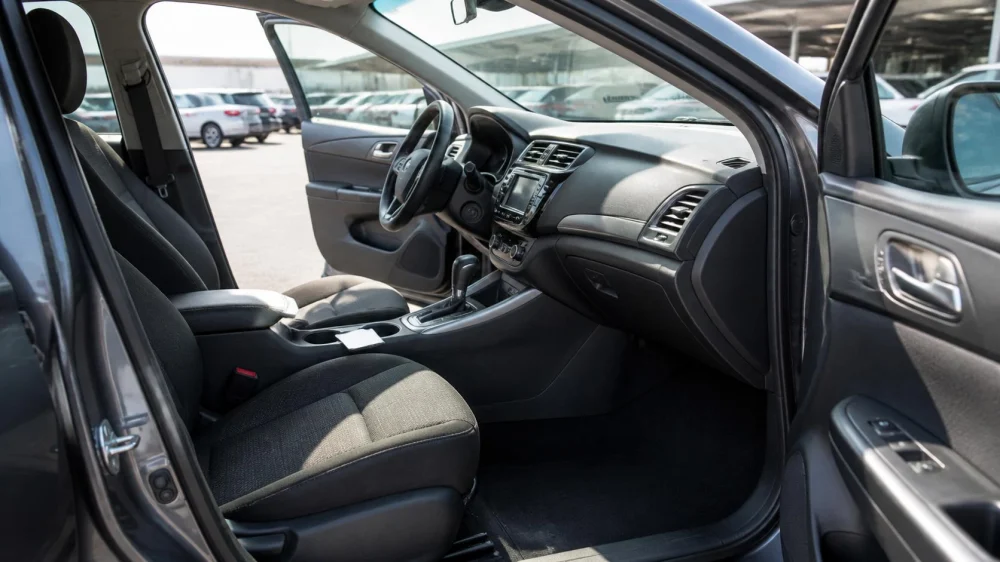
If a rental car smells of smoke, fragrance, mildew, fuel, chemicals, or another strong odor, stop at pickup and report it before driving away. Photograph the interior, note where and when the odor is strongest, check for stains, ash, dampness, warning lights, and damaged seals without dismantling anything, and request a clean replacement when the vehicle is unsuitable. Get the condition and any exchange in writing so you are not blamed for a preexisting odor or cleanup.

Exotic Car Collection by Enterprise
Santa MonicaLos Angeles CountyCalifornia
1723 Wilshire Blvd, Santa Monica, CA 90403, USA
Why it matters
Odor can be a comfort or allergy issue, a prior-use charge, hidden moisture, spilled product, exhaust entry, or a mechanical hazard. Air freshener can mask rather than resolve the cause.
This United States rental guide is general. Company smoking policies, cleaning fees, vehicle availability, health needs, consumer rules, and odor causes vary. The contract and provider instructions control.

Hertz Car Rental - Peabody - Andover Street
PeabodyEssex CountyMassachusetts
255 Andover St #5, Peabody, MA 01960, USA
Practical checklist
- Inspect before loading luggage and while still near rental staff.
- Describe the odor without assuming its source.
- Check seats, carpet, headliner, vents, cargo area, cupholders, and visible moisture.
- Note warning lights, headache, irritation, or changes with the fan on.
- Take timestamped photos or video of relevant condition.
- Report through an official channel and request written acknowledgment.
- Confirm replacement, rate, fuel, mileage, and return records.
Step-by-step plan
- Open doors in a safe pickup area and inspect the interior before accepting the car.
- Start the vehicle only as directed and note whether odor changes with ventilation or climate control.
- Do not spray fragrance, shampoo upholstery, or attempt a chemical cleanup yourself.
- Contact the rental desk or provider app and describe the issue and any health sensitivity.
- Request a vehicle exchange when odor is strong, persistent, or concerning, especially before leaving the lot.
- Photograph both vehicles and confirm the new agreement, mileage, fuel or charge, damage record, and key handoff.
- Save the closed exchange record and review the final receipt for cleaning or smoking fees.
Keep pickup time, vehicle number, odor description and location, weather, fan setting, visible condition, symptoms, photos, report time, staff name, case number, exchange agreement, and final receipt.
Limits and warning signs
Photos cannot capture odor, so a prompt written report matters. Ozone, fragrance, or consumer cleaners are not a safe or authorized substitute for provider inspection.
Exit and contact emergency services for fire, visible smoke, fuel odor with leakage, carbon-monoxide concern, dizziness, confusion, or breathing difficulty. Contact the rental provider immediately for any strong unexplained odor or warning light.
Frequently asked questions
Can I just drive with the windows open?
Ventilation may reduce odor but does not identify a hazard or protect you from a later fee; report it first.
How do I document a smell?
Describe type, intensity, location, timing, fan effect, visible clues, and witnesses in an official written channel.
Should I clean the car myself?
No. Unapproved cleaning can damage materials, mix chemicals, or obscure evidence.
What if no replacement is available?
Ask for documented options such as another class, location, cancellation, or approved remedy before accepting the risk.
Sources and evidence
The guide applies vehicle-condition inspection, indoor-air, chemical-safety, rental-charge, and evidence principles: report before departure, avoid unauthorized cleaning, request suitable replacement, and preserve the written exchange trail.
Conclusion and next steps
Inspect before departure, report the odor in writing, document visible clues and fan effects, avoid masking products, and exchange the vehicle when it is unsuitable or the source may be hazardous.



 Enterprise Rent-A-Car4.0 (606 reviews)
 National Car Rental4.0 (643 reviews)
 Avis Car Rental3.0 (113 reviews)
 Avis Car Rental3.0 (46 reviews)
 Enterprise Rent-A-Car4.0 (260 reviews)
 LAS VEGAS VAN RENTALS5.0 (4 reviews)
 Rental Car Windshield Chip Guide: Report It Safely
 Rental Car Tire Pressure Light: Stop, Inspect, and Report
 Tips for Using Your Rental Car on Scenic American Road Trips
 Best Car Rental Deals in Atlanta Airport
 Car Rental Policies for Early Returns and Refunds
 Rental Car Pickup Documents: Match Name, ID, and Payment Card