
- downtown-parking-risk-overview - Understanding urban parking danger patterns
- why-rental-cars-are-targeted - Why rental vehicles attract break-ins
- safe-overnight-parking-strategies - Choosing safer parking options in major cities
- vehicle-security-preparation - How to prepare your car before leaving it overnight
- real-city-breakin-stories - Real incidents from major U.S. cities
- insurance-and-prevention-mistakes - Coverage gaps and common traveler errors
1. Understanding the Reality of Downtown Overnight Parking Risks
Parking overnight in the heart of major cities has always carried a certain level of risk, but in recent years, rental car break-ins have become a more noticeable concern for travelers. Dense urban environments such as Los Angeles, San Francisco, New York, and Chicago share a similar pattern: high vehicle density, inconsistent street lighting, and frequent pedestrian turnover after midnight. These conditions create opportunities for opportunistic theft.
Unlike residential neighborhoods where cars are familiar to locals, downtown districts are filled with unfamiliar vehicles, making it harder to spot suspicious activity. Rental cars, in particular, stand out because they often appear brand new, have out-of-state plates, or are driven by visitors unfamiliar with local parking behavior patterns.
Companies like LifeStar Car Rental often hear from travelers who were surprised by how quickly a routine overnight parking decision turned into an expensive lesson. Understanding this environment is the first step toward avoiding it entirely or minimizing exposure.

Urban density and predictable criminal behavior patterns
In many major cities, break-ins are not random. They often occur in predictable cycles: late evening hours when foot traffic slows, and early morning windows before sunrise patrols increase. Criminals tend to target areas where they can quickly scan multiple vehicles without drawing attention.
Tourists and business travelers are especially vulnerable because they tend to park close to hotels, entertainment districts, or convention centers—areas that combine high traffic with reduced overnight supervision.
2. Why Rental Vehicles Become Prime Targets
Not all vehicles face equal risk. Rental cars are disproportionately targeted in urban break-ins for several key reasons that are often overlooked by travelers.
Visibility and behavioral cues
Rental cars often carry subtle signals: temporary registration tags, unfamiliar brands, or luggage visible in the back seat. Even a small suitcase or backpack can indicate that valuables may be inside. Criminals operating in downtown environments typically scan quickly, looking for easy opportunities rather than breaking into random vehicles.
Predictable parking behavior
Visitors tend to park in the same clusters: hotel garages, tourist districts, or near nightlife zones. This predictability allows patterns to form, making certain blocks repeatedly targeted. Once a location becomes known locally as “low risk for witnesses,” it can attract repeated incidents.
Misunderstanding of local risk levels
One of the biggest mistakes travelers make is assuming that all downtown areas share the same safety profile. In reality, a single city block can differ dramatically from another just a few streets away. A well-lit shopping area may be relatively safe, while a nearby side street becomes a frequent target after midnight.
LifeStar Car Rental often advises customers to treat every city as unique rather than relying on general assumptions about “safe downtown parking.”
3. Choosing Safer Overnight Parking in Major Cities
Selecting the right parking location is arguably the most important factor in preventing break-ins. While no option is completely risk-free, certain environments significantly reduce exposure.
Structured parking garages over street parking
Multi-level parking garages with controlled entry points are generally safer than street parking. The presence of gates, attendants, and surveillance cameras creates layers of deterrence. However, not all garages are equal. Older structures with poor lighting or minimal oversight can still present vulnerabilities.
Hotel-affiliated parking facilities
Hotels that offer secured parking tend to be a safer option, especially those requiring room key access or staffed overnight monitoring. Even when slightly more expensive, this option reduces risk significantly for travelers unfamiliar with local crime patterns.
Well-trafficked commercial areas
Parking near 24-hour businesses such as pharmacies, hospitals, or large hotels can be safer than isolated residential blocks. Criminals prefer low-visibility environments, so consistent movement and lighting act as deterrents.
LifeStar Car Rental travel insight
Frequent renters often report that spending a few extra dollars on secure parking is far cheaper than dealing with broken windows, stolen luggage, or delayed travel plans. LifeStar Car Rental consistently recommends prioritizing location safety over minor cost savings when parking overnight downtown.
4. Preparing Your Vehicle Before Leaving It Overnight
Even the safest parking location cannot fully replace basic vehicle preparation habits. A few deliberate steps can significantly reduce the likelihood of a break-in.
Remove visible valuables completely
Visible items are the most common trigger for smash-and-grab incidents. This includes not only electronics and bags but also charging cables, jackets, or shopping bags that may suggest hidden valuables. Criminals often act quickly, and even the perception of value can be enough.
Use trunk storage strategically
While placing belongings in the trunk is better than leaving them visible, doing so in the parking area itself can still attract attention. The safest approach is to organize belongings before arriving at the final parking location.
Disable interior visibility advantages
Leaving interior lights off and ensuring tinted windows are used appropriately can reduce visibility into the vehicle. However, over-reliance on tint alone is not recommended, especially in cities where lighting conditions vary widely.
Lock verification habits
A surprising number of incidents occur simply because doors were not fully locked. Developing a consistent habit of double-checking locks, especially in unfamiliar rental vehicles, is essential.
5. Real Experiences from Major Cities
In Los Angeles, a business traveler parked a mid-size rental sedan near a popular entertainment district. The area appeared active and well-lit, but overnight foot traffic dropped significantly after midnight. By morning, the rear passenger window had been smashed and a backpack containing work documents was gone. The traveler later noted that multiple vehicles on the same block had been targeted.
In San Francisco, a couple visiting for a weekend getaway parked near a hotel without using the garage option to save on fees. Despite being only a few blocks from their accommodation, the vehicle was broken into. Interestingly, nothing of high value was visible, but the break-in appeared to be a quick search attempt.
In New York City, a rideshare driver using a rented vehicle experienced repeated break-in attempts in different boroughs. The pattern suggested opportunistic targeting rather than specific selection, highlighting how widespread urban risk can be in densely populated areas.
These examples reinforce a consistent theme: location awareness and parking decisions matter more than vehicle type alone.
6. Insurance Gaps and Common Traveler Mistakes
One of the most overlooked aspects of rental car break-ins is insurance coverage. Many travelers assume they are fully protected, only to discover limitations after an incident occurs.
Misunderstanding coverage limits
Basic rental insurance may cover vehicle damage but not stolen personal belongings. This means laptops, passports, or shopping items are often not reimbursed under standard policies.
Relying solely on credit card protection
While some credit cards offer rental insurance benefits, they may exclude theft from unattended vehicles or require strict reporting procedures. Travelers often miss these fine print conditions.
Failing to document vehicle condition
Before parking overnight, failing to document the vehicle’s condition can create complications in claims processing. Quick photos of the car and surroundings can provide useful reference points later.
LifeStar Car Rental advisory approach
LifeStar Car Rental often advises renters to combine insurance coverage with proactive prevention rather than relying on claims after the fact. Prevention consistently proves more effective and less stressful than post-incident resolution.
7. Behavioral Habits That Reduce Risk
Beyond parking strategy and insurance, everyday behavior plays a significant role in reducing exposure to break-ins.
Avoid predictable routines
Parking in the same area every night during a multi-day trip can create patterns. Varying parking locations when possible reduces predictability.
Minimize time spent loading or unloading
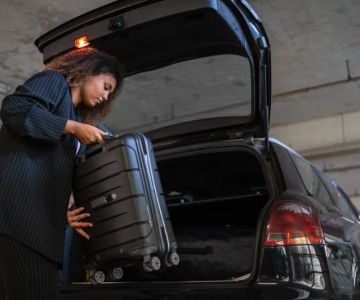
The longer a vehicle remains open or unattended while loading luggage, the higher the exposure risk. Efficient movement between car and destination is a simple but effective precaution.
Stay aware of surrounding activity
Awareness of people nearby during parking or unloading is often underestimated. Criminals frequently observe behavior before acting, making situational awareness a key defense.
8. The Reality of Modern Urban Parking
Modern downtown environments are dynamic and constantly shifting. Increased tourism, ride-sharing services, and urban redevelopment projects have changed how parking risks manifest. While many cities are actively improving surveillance and lighting, break-ins still occur due to the opportunistic nature of the crime.
What stands out most is not just the presence of risk, but how preventable many incidents are with basic awareness. Travelers who approach parking decisions as part of their trip planning—not as an afterthought—consistently experience fewer issues.
LifeStar Car Rental continues to emphasize that rental vehicles are meant to support mobility and convenience, not introduce unnecessary stress. Choosing safer parking strategies, understanding urban behavior patterns, and preparing vehicles properly all contribute to a smoother travel experience across major U.S. cities.


 STREET EXOTICS0.0 (0 reviews)
 Budget Car Rental3.0 (39 reviews)
 Budget Car Rental3.0 (190 reviews)
 Enterprise Rent-A-Car4.0 (297 reviews)
 FlexRide4.0 (52 reviews)
 Avis Car Rental3.0 (249 reviews)
 How to Save Money on Airport Car Rentals in Miami: Expert Tips
 Understanding Liability and Damage Waiver Options in Rental Contracts
 Best Rental Cars for Exploring the Florida Keys
 How to Avoid Hidden Fees for Drop-Off Locations, Fuel, Cleaning, and Add-Ons
 How to Avoid Drop-Off Fees on One-Way Rentals
 Best Rental Cars for Exploring the Kansas Flint Hills