
Rental Car Collision Checklist: Safety, Reports, Photos, and Claims
On this page
- Quick answer
- Protect people before the vehicle
- Call police and follow local reporting rules
- Move out of traffic only when safe and allowed
- Exchange required information
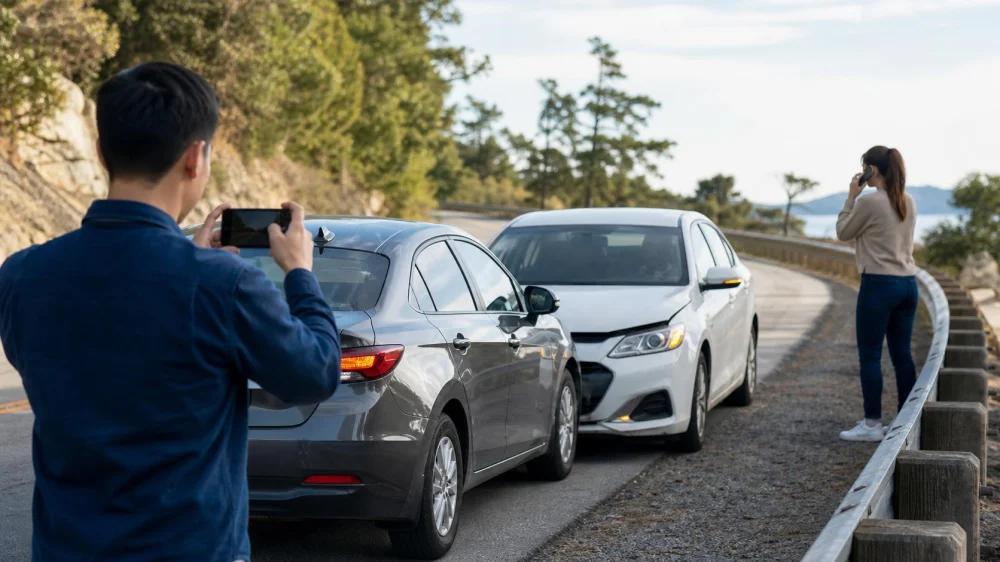
- Document the scene and rental car
- Notify the rental company
- Notify insurers and card-benefit providers
- Coordinate towing and replacement transportation
- Keep a complete claim record
Quick answer
After a rental-car collision, stop, check for injuries, call 911 when anyone may be hurt or the scene is dangerous, and follow dispatcher and local law-enforcement instructions. Move the vehicle out of traffic only when safe and legally appropriate. Exchange required driver, vehicle, and insurance information, photograph the scene, and obtain the police report number.
Then call the rental company’s accident or roadside number before authorizing a tow or repair. Notify the coverage sources named in your agreement—rental damage waiver, personal auto insurer, employer policy, travel insurer, or credit-card benefit administrator—and follow each deadline. Do not drive a vehicle with safety damage or warning signs.

Protect people before the vehicle
Turn on hazard lights if the controls are safe to reach. Check yourself, passengers, other drivers, pedestrians, and cyclists without walking into traffic. Call 911 for injury, possible injury, fire, smoke, fuel odor, downed wires, blocked traffic, unsafe location, impaired driver, hit-and-run, aggressive behavior, or uncertainty.
Do not move an injured person unless immediate danger requires it and the dispatcher directs you. Stay behind a barrier or well away from moving traffic when possible. Property photos, the rental agreement, and luggage can wait until the scene is safe.
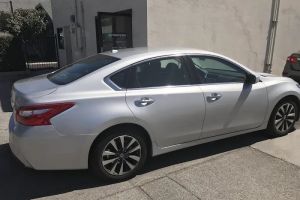
Enterprise Rent-A-Car
San GabrielLos Angeles CountyCalifornia
335 W Las Tunas Dr, San Gabriel, CA 91776, USA
Call police and follow local reporting rules
Collision reporting requirements vary by state, territory, city, injury, damage amount, property type, and vehicle. Ask responding officers what additional driver or motor-vehicle report you must file and by what deadline. A police report may not replace a required DMV or state form.
For example, California DMV requires a separate SR-1 in defined injury or damage situations even when police also take a report. Do not apply that threshold nationwide. Record the agency, officer name and badge number, report number, and instructions for obtaining the report.
Move out of traffic only when safe and allowed
If authorities and local rules permit and the car can move safely, relocate to a shoulder, parking lot, or other protected place. Take quick location photos first only if doing so does not expose anyone to traffic. Do not drive with leaking fluid, smoke, a damaged tire, loose bodywork, deployed airbags, steering or braking problems, broken lighting, severe glass damage, or a safety warning.
Mark the original positions in your notes and record the direction each vehicle traveled. Never stand between vehicles or beneath a damaged structure. Follow police or road-worker commands over rental-company phone advice at the active scene.
Exchange required information
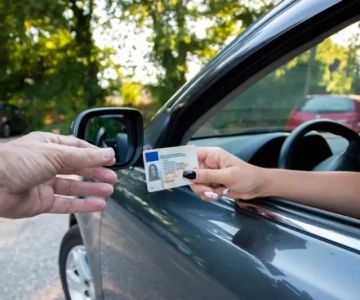
Collect the other driver’s name, contact information, driver’s license, vehicle owner, plate, make and model, insurance company, policy information, and any employer or commercial carrier details required locally. Provide the legally required information about yourself and the rental vehicle. Photograph documents with permission or write details accurately.
Get witness names and contact information. Avoid arguments, threats, social-media posts, or signing an unfamiliar statement at the roadside. Give factual information to police, the rental company, and insurers; fault and coverage determinations follow their processes and applicable law.
Document the scene and rental car
Photograph all vehicles from wide and close angles, license plates, impact points, road layout, lane markings, signals, signs, skid marks, debris, weather, lighting, and nearby property. Capture the rental car’s full exterior, interior safety-system condition, odometer, fuel or charge level, and dashboard warnings.
Write the time, exact location, travel direction, sequence of events, passenger names, and what happened immediately afterward. Preserve dashcam files and original photos. Do not edit images or post them publicly while a claim is open.
Notify the rental company
Use the number in the rental agreement, key tag, app, or verified official website. Report the collision promptly and ask for an incident or claim number, accident form, towing instructions, approved destination, vehicle-return process, and replacement eligibility. Record the representative’s name and time.
Do not allow an unverified tow operator to take the car or authorize a body shop to begin work unless emergency authorities require movement and the rental company agrees. Tell the company where the keys, vehicle, and belongings are. Complete its accident report accurately and keep a copy.
Notify insurers and card-benefit providers
Coverage can come from the rental agreement’s loss or collision damage waiver, supplemental liability, personal auto policy, employer or commercial policy, travel insurance, or a credit-card benefit. These products differ in exclusions, deductibles, territory, vehicle type, authorized drivers, trip purpose, and order of payment.
The National Association of Insurance Commissioners’ consumer auto-insurance resource explains common rental coverage and notes that some card benefits are secondary to other insurance. Call each potential provider promptly, ask for a claim number and document list, and do not assume one notification reaches the others.
Coordinate towing and replacement transportation
Use police-directed towing when required at an unsafe scene, then notify the rental company immediately. Otherwise obtain the rental company’s approval and destination. Photograph the tow vehicle, company information, rental-car condition, key handoff, and mileage, and obtain an itemized receipt.
A replacement rental is not automatic. Ask whether the original agreement closes, whether rates and coverage transfer, who may drive the replacement, and how luggage or child seats will be retrieved. Do not move a child seat from a collision vehicle for reuse until the manufacturer and applicable safety guidance say it is acceptable.
Keep a complete claim record
Save the rental agreement, checkout damage report, collision photos, police and state reports, rental-company form, tow and storage receipts, medical records, repair estimates, insurer correspondence, card-benefit guide, and all claim numbers. Keep a dated call log with names, decisions, and promised follow-up.
Review charges for vehicle damage, loss of use, administrative fees, towing, storage, fuel, diminished value, and taxes against the contract and coverage decisions. Ask for written explanations and supporting documents. If an insurer dispute cannot be resolved, contact the consumer-services unit of the appropriate state insurance department; contract or legal disputes may require qualified local advice.

 Rent a Toyota0.0 (0 reviews)
 Hertz Car Rental3.0 (107 reviews)
 Just Four Wheels Car, Truck and Van Rental - Berlin4.0 (46 reviews)
 Arizona Van Rental0.0 (0 reviews)
 Enterprise Rent-A-Car4.0 (360 reviews)
 Enterprise Rent-A-Car4.0 (606 reviews)
 Car Rental Policies for Refunds After Early Drop-Off
 Car Rental Insurance Explained: What You Really Need and What to Skip
 Top Hybrid Cars to Rent in the US for Maximum Fuel Savings
 How to Book a Rental Car Without Paying Upfront
 How to Avoid Misleading ‘Unlimited Mileage’ Labels in Rental Agreements
 Best Road Trip Routes in the U.S. Perfect for Rental Cars | LifeStar Car Rental