
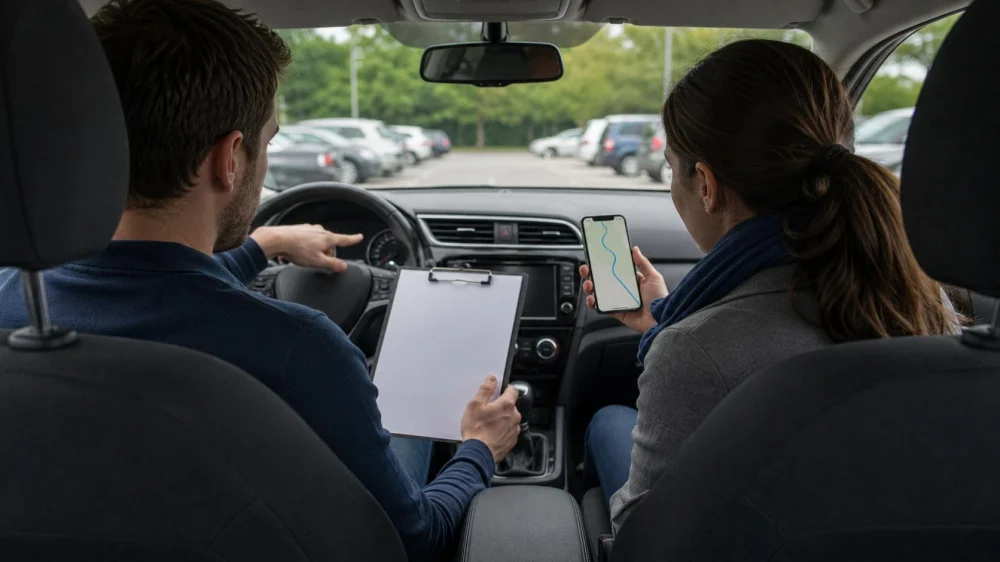
Rental Car Mileage Limits: Read the Contract Before Driving
“Unlimited mileage” is not a universal promise. A rate may limit daily, weekly, total, geographic, vehicle-class, or program mileage, and excess miles can change the trip cost quickly. Before pickup, read the rate rules and final agreement, estimate the complete route, confirm where the car may travel, and obtain written approval for any change.
Quick answer
Locate the exact mileage allowance and excess-mile price in both the reservation and rental agreement. Check whether the allowance is per day, rental, week, or billing period and whether unused miles carry over. Add airport, hotel, attraction, parking, detour, refueling or charging, and return-location distance to your estimate. Photograph the odometer at pickup and return and report discrepancies before leaving the facility.

Find the mileage terms
Marketing pages and search results summarize rates; the booked rate rules and signed agreement control the transaction. Look for “unlimited,” “included miles,” “free miles,” “excess mileage,” “kilometer allowance,” “geographic restriction,” and “prohibited use.” Save a copy that shows date, location, vehicle class, and rate code.
Ask whether a partial day counts as a full allowance period, how extensions affect included miles, and whether a one-way rental changes the rule. Get the answer in writing rather than relying on a verbal estimate.

Hertz Car Rental - Fredericksburg - Patriot Highway
FredericksburgSpotsylvania CountyVirginia
11018 Patriot Hwy, Fredericksburg, VA 22408, USA
Estimate the full trip
Map the planned route in both directions and add local driving. Airport access roads, hotel shuttling, meals, grocery stops, parking searches, sightseeing loops, and a different refueling station can add meaningful distance. Include a reasonable buffer for safe detours and road closures.
Compare the estimated excess charge with a rate that includes more miles. A lower base price may not be cheaper after mileage. Also compare taxes and fees that may apply to mileage charges.
Check geographic limits
A mileage allowance does not automatically authorize every destination. The agreement may restrict particular states, provinces, countries, islands, unpaved roads, ferries, or border crossings. Insurance and roadside coverage can also change outside an approved area.
Provide the route to the rental company and request written authorization, permits, or equipment before crossing a border or entering a restricted region. Do not assume an open road means the rental contract permits travel there.
Confirm vehicle-class rules
Passenger cars may have different mileage terms from luxury vehicles, sports cars, vans, trucks, specialty vehicles, peer-to-peer rentals, replacement rentals, and long-term programs. Corporate, government, insurance, membership, and promotional rates may also differ.
If the assigned vehicle is an upgrade or substitute, ask whether the original mileage terms remain. Review any revised agreement before accepting the keys. Do not rely on what applied to a previous rental.
Record pickup mileage
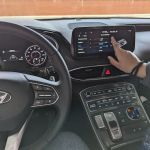
With the car safely parked, photograph the whole instrument panel and a closer odometer view. Confirm whether the display is miles or kilometers and whether it shows total distance rather than a resettable trip meter. Compare it with the agreement.
Report a mismatch immediately and ask for a corrected document. Record the vehicle number, time, lot location, and representative. Do not begin the trip hoping the return agent will estimate the starting mileage later.
Monitor without distraction
Track mileage only while parked or let a passenger manage the route log. Do not photograph the dashboard, operate an app, or calculate remaining allowance while driving. Use the vehicle’s trip meter only if you understand it and do not reset provider information.
Check progress at planned stops. Separate personal detours from necessary safety rerouting, but remember the contract usually counts distance rather than purpose. Never choose an unsafe shortcut simply to save miles.
Approve route changes
If weather, closure, emergency, schedule, or a new destination changes the estimate, recalculate while parked. Contact the rental provider before exceeding a limit or entering a new area. Ask whether the rate can be modified, the rental extended, or the vehicle exchanged.
Keep written authorization and the updated cost. A customer-service statement should identify the reservation or agreement. Do not rely on a social-media reply or general FAQ that is not tied to your rental.
Verify return mileage
Photograph the odometer, fuel or charge level, dashboard, vehicle position, and return time while safely parked. At a staffed return, review the receipt before leaving. At an after-hours return, follow the official process and keep location evidence.
Compare billed miles with your pickup and return readings and apply the allowance exactly as written. For a discrepancy, contact the provider promptly with the agreement, receipt, photographs, and case number. Keep records until the payment card statement is final.
Frequently asked questions
Does unlimited mileage allow travel anywhere?
No. Geographic and use restrictions can still apply.
Do unused daily miles carry over?
Only if the agreement says they do. Ask how the allowance is calculated.
What if the pickup odometer is wrong?
Stop and obtain a corrected record before driving away.
Can I avoid charges with an unsafe shortcut?
No. Safety and legal routing come first; contact the provider about the changed plan.
Next steps
Save the booked rate rules, estimate all planned and incidental miles, verify geographic authorization, photograph the starting odometer, and monitor only while parked. Before a material route change, get written approval and updated pricing. Document the final reading and compare it with the receipt.




 Art Med Trans, Inc.3.0 (10 reviews)
 STREET EXOTICS0.0 (0 reviews)
 GVC II3.0 (66 reviews)
 MNJ Medical Transportation4.0 (92 reviews)
 Go Rentals1.0 (4 reviews)
 Avis Car Rental2.0 (99 reviews)
 Why Some Cars Are Restricted From Interstate Travel in the U.S.
 Hidden Fees You Should Know Before Booking a Rental Car
 How to Find Cheap Car Rentals in Tampa International Airport
 Rental Car Key Handoff: Count, Protect, and Report Loss
 Top Mistakes First-Time U.S. Car Renters Make — And How to Avoid Them
 How Much Is the Security Deposit for a Rental Car in the US?